A website should be a working asset.
The old service page said it plainly: the goal is not just to make a website look nice. The website should help the business make money, capture leads, explain the offer, and support the systems behind the scenes.
That is still the right idea. The difference now is that I look at the website as part of the whole business stack: pages, forms, CRM records, analytics, email follow-up, ecommerce, and the little handoffs where things often break.
What I focus on during a website build
- User-centric layout and copy flow, so visitors can understand what you do without hunting.
- Responsive design that feels intentional on desktop, tablet, and mobile.
- SEO foundations: titles, headings, internal links, structured data, page speed, and useful content paths.
- Conversion design for calls, booking, form fills, quote requests, purchases, and lead capture.
- Testing before launch, including forms, tracking, redirects, mobile views, and critical integrations.
Design and development should stay close together.
Some redesigns get into trouble because the design is treated like a pretty surface and the technical system underneath is left for later. I prefer to plan both together. If a page needs to send a lead into HubSpot, trigger an email, create a deal, or preserve old SEO URLs, that shapes the build from the beginning.
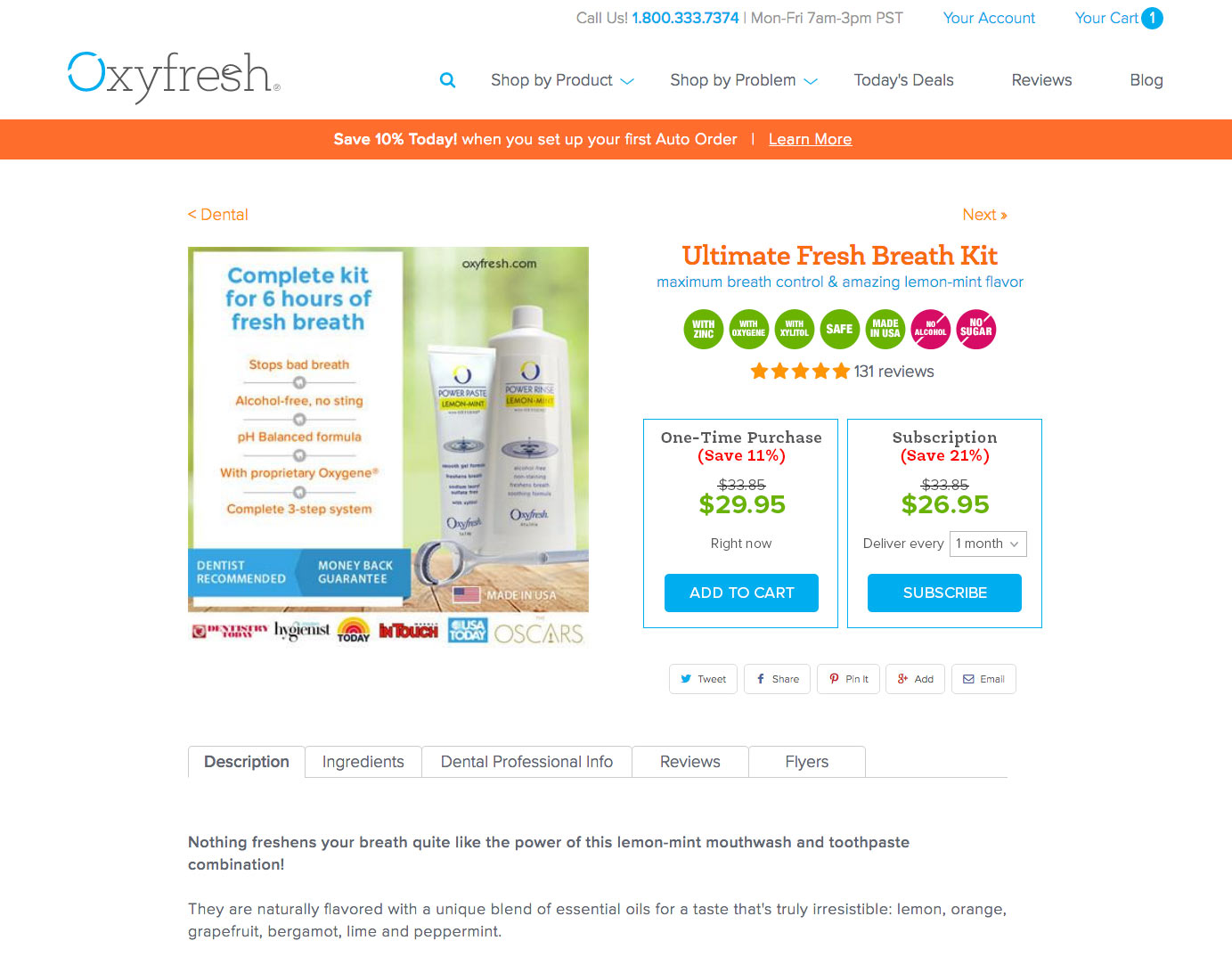 Shopify pricing section
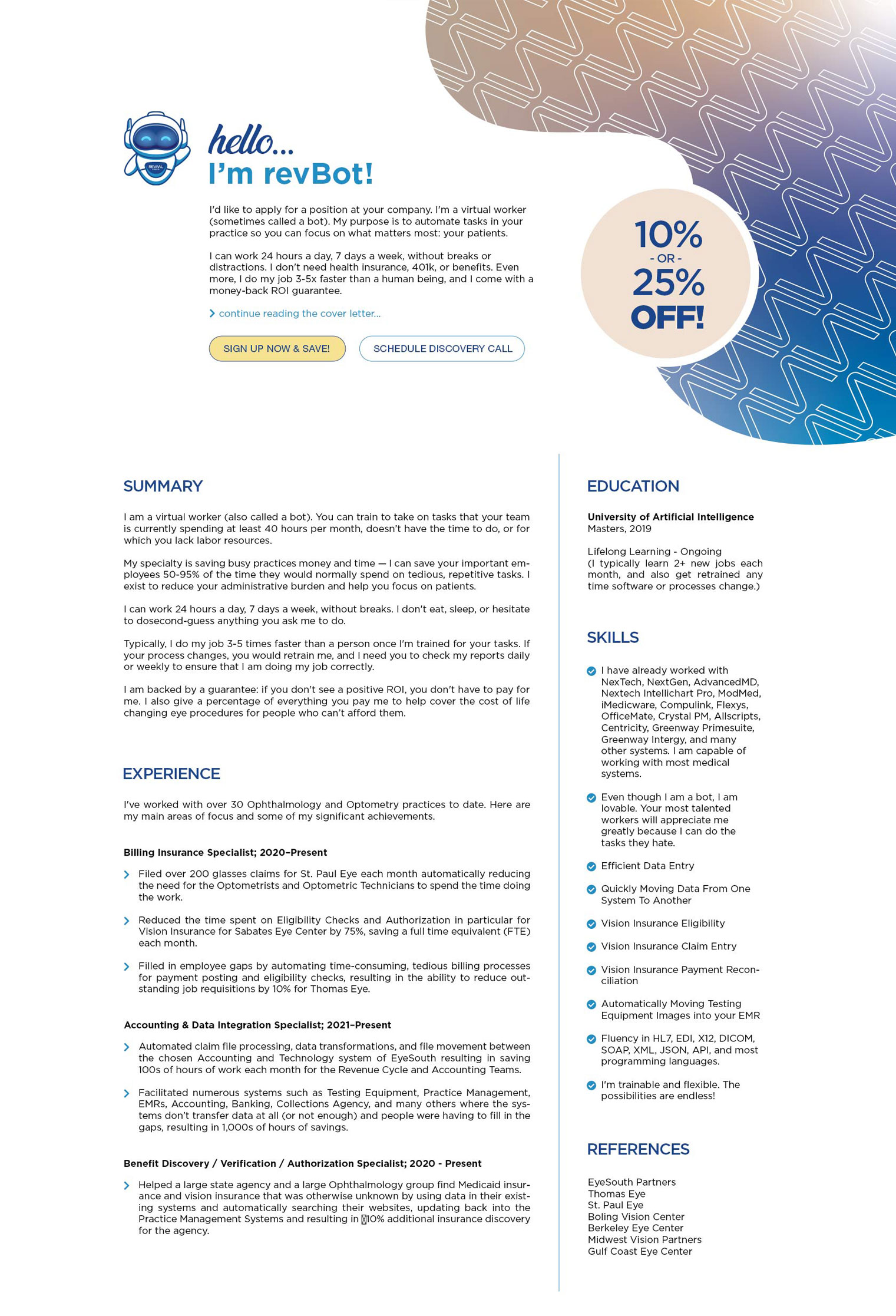 Product page design